Fuel Efficiency: Maximizing Output, Minimizing Impact
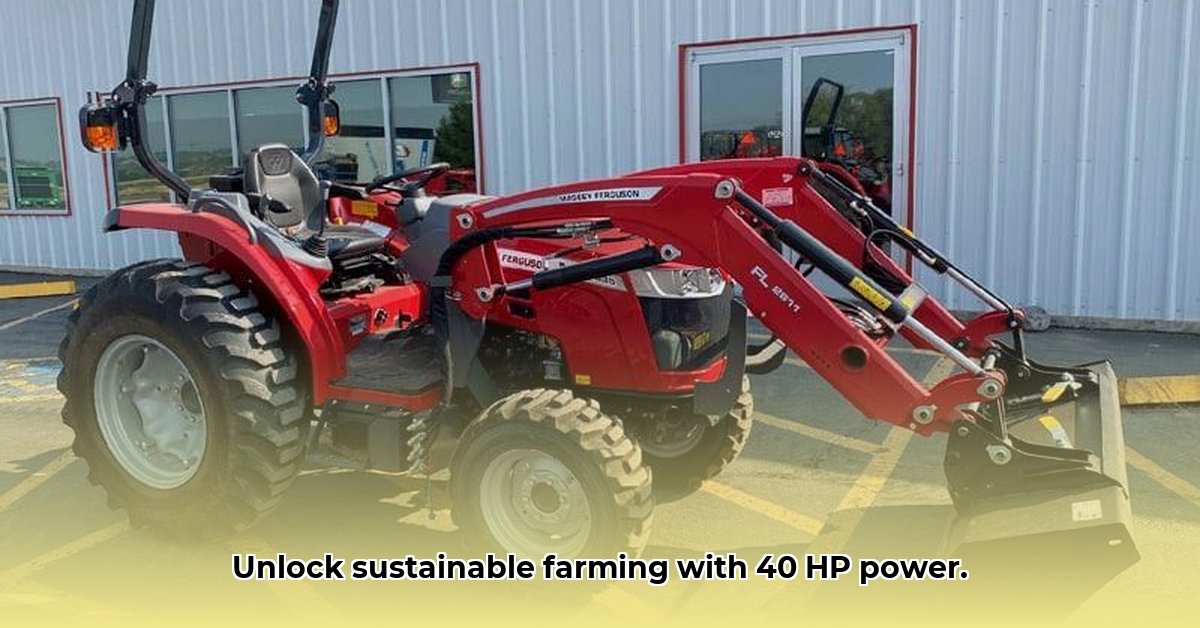
The Massey Ferguson 40 HP tractor, while not explicitly marketed for its sustainability features, presents a viable option for eco-conscious farmers. Its inherent fuel efficiency, a crucial factor in sustainable agriculture, makes it a compelling choice for smaller farms and targeted operations. By optimizing fuel consumption, farmers can directly reduce their operational costs and minimize their carbon footprint. But how can you truly maximize fuel efficiency with this model? For more advice on troubleshooting, check out this helpful resource on Massey Ferguson tractor problems.
Regular maintenance is paramount. Replacing air filters regularly and ensuring timely engine tune-ups are critical steps. Think of it like maintaining a car – regular attention translates to better fuel economy. Simple actions, such as avoiding unnecessary idling, can also make a significant difference. Is it worth the effort? Absolutely. The savings add up over time, both financially and environmentally.
Precision Farming: Targeted Approaches for Optimized Results
Precision farming techniques, emphasizing targeted resource application, are key to sustainable agriculture. The Massey Ferguson 40 HP's maneuverability is well-suited for smaller fields, allowing for precise application of vital inputs. While it may not inherently support sophisticated GPS guidance, its adaptability opens avenues for targeted application methods.
Consider variable-rate technology (VRT). Analogous to painting a fence – you wouldn't use the same amount of paint everywhere – VRT applies fertilizer or pesticide only where needed. This minimizes waste, reduces costs, and protects the environment. How can you achieve this with the Massey Ferguson 40 HP? By dividing fields into zones based on soil tests, then adjusting fertilizer or pesticide application rates accordingly, you can achieve a similar precision.
Reduced Tillage: Protecting Soil Health for Long-Term Sustainability
Reduced tillage practices, focusing on minimizing soil disturbance, are vital for soil health. These methods enhance water retention, reduce erosion, and promote thriving soil ecosystems. The Massey Ferguson 40 HP, with its three-point hitch, is compatible with various implements designed for reduced tillage operations.
This approach offers numerous benefits. Reduced soil compaction leads to improved water infiltration, supporting beneficial soil microbes. The result? Healthier crops and a more resilient farm. It's a testament to sustainable practices that improve both yields and the environment. This is not just a trend; it is a vital element of the future of environmentally conscious farming practices.
Choosing the Right Implements: Optimizing the Massey Ferguson 40 HP's Potential
The Massey Ferguson 40 HP's versatility is amplified by its compatibility with a wide range of implements. Selecting the appropriate tools is crucial for maximizing efficiency and environmental responsibility. Here are some key choices:
- No-till seed drills: Minimize soil disruption during planting.
- Conservation tillage cultivators: Manage weeds while preserving soil structure.
- Mulchers: Efficiently chop and spread crop residues to bolster soil.
- Precision sprayers: Enable targeted pesticide application, reducing waste.
Remember to align implement power needs with the tractor's capacity. This prevents overworking the equipment and ensures optimal performance.
Tractor Maintenance: A Cornerstone of Sustainability
Consistent maintenance is critical for maximizing the Massey Ferguson 40 HP's lifespan and minimizing its environmental impact. Regular maintenance reduces the risk of leaks which could contaminate the surrounding land and water. Minimizing repairs also reduces waste from discarded parts. A simple maintenance schedule includes:
- Oil Change: Every 50 hours or annually.
- Filter Changes: As needed, based on regular checks.
- Fluid Level Checks: Weekly.
- Tire Pressure: Monthly.
- Visual Inspection: Before each use.
By adhering to a sound maintenance strategy, farmers can prolong the life of their equipment and demonstrate a crucial commitment to sustainable practices. This approach underscores the importance of responsible stewardship of both resources and equipment. Remember, sustainable farming is a continuous learning process. Stay updated on best practices and adapt your techniques as new knowledge emerges.